
Testosterone Testing and Replacement Therapy (October 11, 2011)
"Low T"
Testosterone replacement therapy or male menopause is also known as Low T or Andropause. It is gaining more and more attention as the medical community and researchers learn about this condition that affects all men as they age. In some instances, younger men may be affected by Low T due to other medical conditions. Because of the stigma attached to low testosterone, men are not inclined to talk about it that much, but the tide is turning with commercials about Low T. It is now known that men start losing 1% of their testosterone every year starting around the age of 30.
We now have continuous research and clinical trials going on that helps us to better understand male menopause in order to serve the male population more effectively. Another benefit of the research and clinical trials will also help men who because of a disease or illness, suffers from Low T. These are treatable conditions with very good results. Previously, the medical profession was unaware of androgen deficiency because it came on so gradually and carried a variety of vague symptoms.
Measuring Your Testosterone
There are a few methods employed to determine if a man has indeed a low amount of testosterone in his body. The first method is for the physician to take a complete medical history of the patient. The doctor will be looking for signs and symptoms of androgen deficiency. The patient will be asked questions about their sex life, poor erections, less volume of semen, orgasmic quality, decreased energy, loss of muscle strength, self-esteem problems, depression, tiredness, irritability, insomnia, sweating, hair loss and abdominal weight gain. Other important symptoms include a high LDL cholesterol number, osteoporosis, an increase in total body fat and a reduction of red blood cells in the plasma. For many men, premature aging is a form of hypogonadism. Although there are more symptoms than listed here, the line of questioning will be the same in the doctor's office. From the information provided here, it shows how important it is to verify the diagnosis since so many of these symptoms can relate to other diseases.
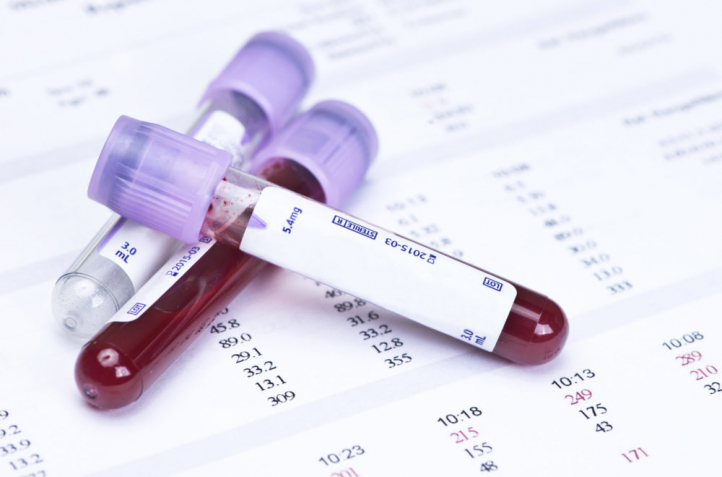
After determining that the symptoms seem to suggest Low T, you will need have your testosterone measured using a Testosterone blood test The two relevant blood tests are the Total Testosterone and the Free Testosterone tests. Most anti-aging doctors recommend to take the blood draw in the morning, usually before 10:00 a.m. This is when the male's testosterone level is at it highest point. Several blood tests should be performed over a period of a week to determine the actual number when trying to diagnose andropause. The levels of testosterone tend to fluctuate throughout the day. Once a final diagnosis is confirmed, there are several options the person can consider and discuss with their doctor regarding the testosterone delivery system will work best for them.
Testosterone Replacement Therapies
The availability of testosterone comes in injectable, cream, gel, transdermal patch, mucoadhesive material applied to the teeth twice a day, testosterone stick (used like deodorant stick) and a long-acting subcutaneous implant of pellets. Depending on the doctor and where you testosterone levels fall, most will offer the cream as the first line of defense. Apply it in the morning during the normal cycle of testosterone levels when they are at their highest point. The doctor will want the patient to stay the course on the testosterone plan for 8 - 10 weeks so that the patient will be able to show normal levels of the hormone. Blood work should be checked every 3 - 6 months to determine levels of the hormone in the system.
All drugs carry side effects and testosterone cream is no different. If it is overused, side effects would include dizziness, headaches, fluid retention and high blood pressure. There is evidence that the cream can cause prostate problems: this would preclude men that are already having problems with their prostate.
The normal range of testosterone for most men is above 300. When the patient hears about free and total testosterone, it means that for total testosterone, it gives the total amount found in the bloodstream all together. When some of the same testosterone is bound to molecules like the sex hormone binding globuline (SHBG), it is total. In this state, it does not create the physiologic sense of desire sexually. When speaking of free testosterone, it is as the name implies, it is free and does not attach to the SHBG. It, in turn does provide a portion of momentum towards sexual desire.
Some reasons that can cause a low testosterone deficiency other than the aging process is any type of injury or infection of the testicles, chemotherapy, radiation, loss of the testicles, Klinefelter's Syndrome (genetic abnormality carrying an extra x chromosome), too much iron in the body, pituitary gland dysfunction, sarcoidosis (inflammation of the lungs), and certain medications, especially hormones to treat prostate cancer and drugs that are corticosteroids. Chronic kidney failure, cirrhosis of the liver, stress and alcoholism are also culprits to a decreased testosterone level.
Any man who has had prostate cancer or prostate problems should not take testosterone replacement therapy without first consulting their physician first. Replacement therapy can cause small cancers to grow or even benign growths to become cancerous.
The benefits of testosterone therapy are more energy, an improved sense of well-being, improved libido, better outlook on life, increase in bone and muscle mass, rise in red blood cells that carry oxygen to your body, helps with controlling type 2 diabetes and helps with weight loss.
As the pharmaceutical manufacturers learn more and more about Low T, there are many more advertisements that help to get the word out to men that may need help with low testosterone levels. Hopefully some day, men will not have to suffer in silence.