
A Parent's Guide to Understanding Juvenile Diabetes
A new case of diabetes is diagnosed every hour. Approximately 13,000
children receive this diagnosis every year, and over one million people
are currently living with it across the world. As the parent of a child
that has been diagnosed with juvenile diabetes, you may be frightened,
confused, and anxious about the future. This diagnosis is life-changing
for both you and your child. However, with a loving, positive attitude,
you can help your child lead a happy, normal life.
What is Juvenile Diabetes?
Juvenile diabetes is a medical condition that typically emerges during an individual's childhood or adolescence. It is an immune disorder that causes the child's immune system to attack the beta cells in the child's pancreas and destroy them. Because the beta cells are responsible for producing insulin, your child's insulin levels drop to unhealthy lows. This causes glucose to build up in the child's bloodstream, thus causing significant damage to all of the organs in the body.
Typical symptoms of diabetes include frequent urination, extreme thirst, a fruity or sugary breath odor, drowsiness, sudden and significant weight loss, constant hunger, vision changes, difficulty breathing, vomiting, and sugar in the urine. Scientists are not yet sure what the exact cause of juvenile diabetes is, but it is likely that both environmental and genetic factors play a role in its development. Most cases of diabetes in children are caused by type I diabetes, but type I diabetes is responsible for only 5 percent to 10 percent of all diabetes cases.
If juvenile diabetes is not properly controlled, it may cause severe health complications. Some of the most serious complications that may arise if your child's diabetes is out of control include coma, heart disease, kidney damage, stroke, skin conditions, and vascular disorders. If appropriate medical attention is not received, diabetes could eventually result in your child developing a vision disorder and eventually losing his or her sight.
Dealing with the Diagnosis
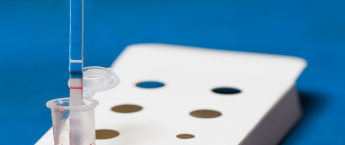
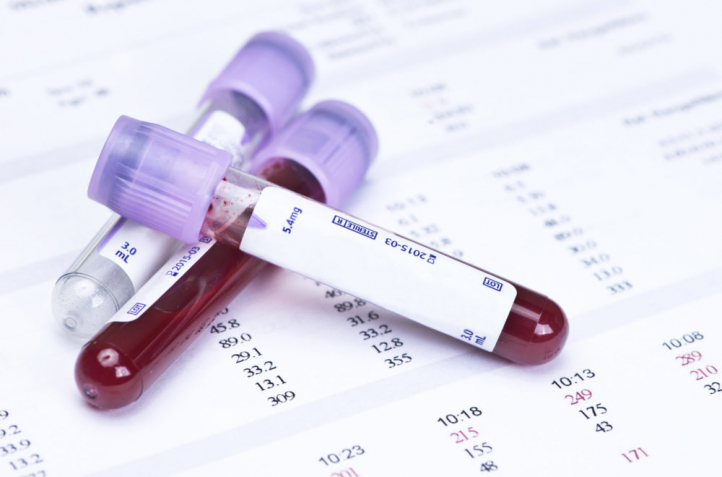
Children are usually diagnosed with juvenile diabetes based on the results of several different chemical tests, including tests performed on the urine and the blood. If there are ketones and glucose present in your child's urine, the doctor will suspect that he or she has juvenile diabetes, and he will likely order further testing. A random non-fasting blood glucose test will then be performed. If the result exceeds 200 mg/dl, the doctor will have a stronger suspicion of juvenile diabetes. Finally, the doctor will order a fasting glucose test. Juvenile diabetes is confirmed if your child's fasting blood glucose test comes back with a result of 126 mg/dl or more.
Most children with juvenile diabetes must take insulin several times each day to manage their sugar levels. Insulin may be administered by injection or, in more serious cases, the child may receive insulin through a pump placed surgically in his or her body. To help your child manage this condition, you should remind him or her to take the medicine prescribed by the doctor exactly as directed. Missing a dose of insulin can be very dangerous for a child with juvenile diabetes. You must also make sure that your child eats frequently enough to keep his or her blood sugar from dropping too low, which can also be dangerous.
Another way to help your child manage juvenile diabetes is to make sure that he or she understands why it is important to take medication and monitor eating habits. You should teach him or her about proper nutrition management so that he or she understands how to make good eating choices. You should also help your child to monitor his or her blood glucose levels throughout the day to ensure that they remain within healthy ranges. Finally, encourage your child to engage in physical activity. Doing so will help control both weight gain and blood glucose levels.
Treatment for Juvenile Diabetes
Diabetes: Dealing with Feelings
Other Resources for Parents
Managing juvenile diabetes is a difficult task. As a parent, you need as much help as you can get. Education is also very helpful in managing this condition. To find more information about juvenile diabetes, how to cope, and how to get involved with other parents, consult the following links.
Juvenile Diabetes Research Foundation
| Available Tests | Testing in Your Area | STD Testing |
|---|---|---|
| More Testing for Your Health |
||