
Health Information Provided by Health Testing Centers

Date Published: February 13, 2012

Author: Karen Alton, LPN

Blood Cholesterol: What You Should Know

Although eating some fat is necessary, eating too much of the wrong kinds of fats is not only unhealthy, it can lead to high cholesterol and increase the risk of heart disease and some forms of cancer. Even for those who eat a relatively healthy diet, maintain an exercise regimen or aren’t obese, having a regular blood cholesterol test is essential to preventing the disease or taking the steps needed to bring unhealthy cholesterol levels down. Recognizing the risk factors for high cholesterol, as well understanding blood cholesterol levels allows patients and physicians to treat the condition before more serious health problems or diseases develop.

Types of Cholesterol

Fats and cholesterol are intended to keep the body healthy and to prevent disease. However, if there are high levels of unhealthy dietary-based fats in the bloodstream, which leads to high cholesterol levels, it can subsequently have the opposite effect and promote serious diseases. Cholesterol is a waxy, somewhat fat-like substance, which is found throughout the entire body and is an essential part of the body’s cells. Cholesterol digests fats and produces hormones, cell membranes and Vitamin D. There are two types of cholesterol – blood or serum cholesterol, which naturally circulates in the bloodstream and comes from the liver and dietary cholesterol, which comes from food. Although the chemical substance of cholesterol is the same, it’s transported in the blood using different carriers, referred to as LDL (Low-Density Lipoproteins), which is the “bad” cholesterol and HDL (High-Density Lipoproteins), which is the “good” cholesterol. High LDL cholesterol levels are harmful, while high levels of HDL are protective. Additionally, high LDL and total cholesterol blood levels are major risk factors for heart disease.

Testing and Diagnosis

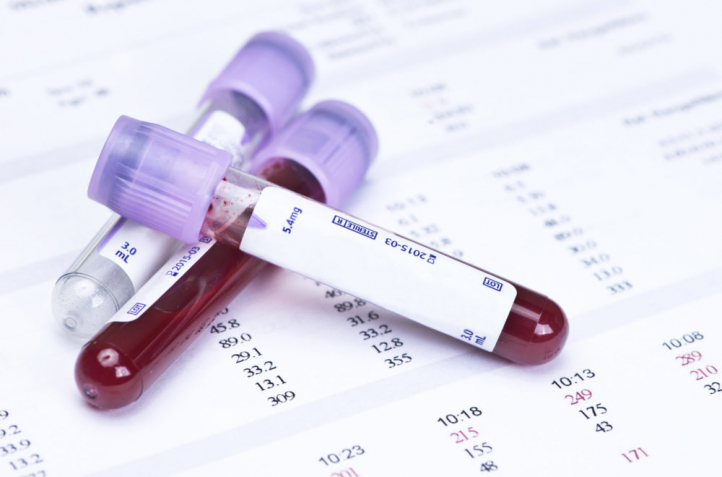
Testing for high cholesterol involves submitting to a blood test, which measures cholesterol levels in the blood. Other names used for a blood serum cholesterol test, includes lipid profile, lipid panel, lipoprotein/cholesterol analysis, coronary risk profile or hyperlipidemia testing. A cholesterol test measures cholesterol levels in the blood, which specifically includes, a high density lipoprotein (HDL), a low density lipoprotein (LDL), total cholesterol and triglycerides. Patients with high triglyceride levels can have a direct LDL cholesterol (also called a direct LDL-C) test. Typically, there are no dietary restrictions prior to having a cholesterol test performed, however, if a complete lipid profile is needed, it requires no eating or drinking approximately 9 to 12 hours before the test. As part of the diagnostic process, physicians typically inquire about symptoms and medical histories, such as diabetes, high blood pressure, stroke or heart disease. A diagnosis of high cholesterol is generally given when cholesterol levels fall outside the normal range, which includes LDL cholesterol higher than 70-130 mg/dL, HDL cholesterol lower than 40 - 60 mg/dL, total cholesterol levels of more than 200 mg/dL and triglycerides levels that are higher than 10 – 150.

Risk Factors for High Cholesterol

The risk factors associated with developing high cholesterol include eating a high-fat diet, such as those from trans-fatty acids and hydrogenated fats, such as polyunsaturated and monounsaturated fats. Other key factors include being a male age 45 or older or a female age 55 or older, being overweight, having a sedentary lifestyle, smoking cigarettes or having a family history of high cholesterol, high blood pressure or heart disease. Males typically have higher cholesterol levels than females, although females tend to be at risk for increased blood serum after menopause.

Symptoms and Prognosis

High cholesterol rarely produces noticeable symptoms, unless blood serum cholesterol levels are exceptionally high and the condition has become severe, typically as a result of atherosclerosis, which is a hardening of the arteries and causes angina, which is chest pain, heart attack and stroke. In some cases, individuals suffering from high cholesterol may exhibit fatty deposits around the cornea or around the eyes, and may have severe stomach pains caused by an enlarged spleen or liver. However, the majority of people don’t experience physical symptoms of high cholesterol and it often goes undetected unless a cholesterol test is performed. Knowing individual cholesterol levels and understanding what they mean, enables patients to take active steps in lowering and preventing high cholesterol, as well as reducing the chances of developing serious and chronic diseases, such as heart disease and stroke caused by atherosclerosis. Because cholesterol is the presence of too much unhealthy fat in the bloodstream and it builds up on the walls of arteries, it begins to harden the arteries over time and causes atherosclerosis. When the arteries harden, they become narrow and blood flow to the heart is either slowed or blocked. Decreased blood oxygen to the heart causes chest pain or possible blockage, resulting in a heart attack.

Treatments

Effective treatments for lowering cholesterol, which include making lifestyle changes that decrease cholesterol levels, in addition to decreasing risk factors associated with heart disease and stroke. Healthy lifestyle changes include eating a low-fat, low-cholesterol diet, eating fiber-rich foods, avoiding high-saturated fats, and processed and refined sugars, such as those found in high-calorie deserts, white potatoes, white breads and white rice; maintaining a regular exercise program, which includes exercising at least 3 days per week for at least 30 minutes; losing weight; quitting smoking; and drinking alcohol in moderation, which involves one drink per day for women and two for men. Total fats consumed should be 30 percent or less of total calories, and saturated fats should be comprised of less than 10 percent. Eating 5 to 9 servings of fruits and vegetables, in addition to whole grain products helps lower blood serum cholesterol levels. If dietary changes don’t decrease cholesterol, the amount of soluble fiber can be increased. Losing weight is essential, as it lowers LDL and total cholesterol levels, while it raises HDL and lowers triglyceride levels. If cholesterol levels don’t come down to healthy levels, doctors typically prescribe cholesterol-lowering medications, such as statins. Research studies indicate statin medications reduce the risk of heart attacks, stroke and mortality rates.  

Prevention

High cholesterol can be prevented by making simple lifestyle changes, such as exercising regularly to maintain a healthy weight, eating healthy foods and cutting down on high-saturated fats and high-calorie sweets. Meat fats can be reduced by buying only lean or extra lean meats, thoroughly draining fat off all cooked meats, cutting visible fat off of meat, removing skin from chicken, broiling rather than pan-frying, using half the amount of oils asked for in recipes. Choose non-fat or not more than 2% milk, tuna packed in water as opposed to oil and limit fried foods, processed meats and non-dairy coffee creamers. Consider using two egg whites instead of one yolk, basting with bouillon instead of meat drippings, using low-fat or non-fat mayonnaise, yogurt and sour cream. A healthy cholesterol-preventing diet should consist of vegetables, fruits, fish, poultry, lean meats, vegetable proteins, such as those found in peas, lentils, beans, grains, nuts, seeds and soy. Increasing fiber intake by eating foods rich in soluble fiber has been shown to prevent high cholesterol and can be found in whole grain cereals, pasta and breads. Monitor portion sizes and eat in moderation instead of eating until full. Eat high-fat foods and sweets less often and in small portions. The best prevention is having regular cholesterol tests performed, while maintaining a healthy lifestyle, which includes diet and exercise.